

Sarasota isn’t just a place where people go to fish—it’s where people fall in love with fishing. This Gulf Coast city has a way of reeling you in (pun intended), and keeps fishermen coming back year after year.
Maybe it’s the calm, shallow waters of Sarasota Bay that are practically made for inshore fishing. Perhaps it’s the chance to chase big game fish offshore. Or could be that it’s just that mix of sun, sea, and plenty of opportunities to catch fish that’ll make your fishing buddies wish they came along.
Let’s talk about Sarasota Bay. These calm shallows are a habitat for redfish and spotted seatrout, especially around the mangroves and grass flats. If you’re up for a real challenge, head to the flats near Longboat Key or Lido Key—local hotspots where precision casting is the name of the game. You can also stop by Hart’s Landing for live bait and a chat with locals who’ve been fishing these waters for decades—and grab a coffee at The Toasted Mango Café before heading out.
Feeling adventurous? Head a couple miles out, and you’ll find grouper lurking near the reefs or wrecks. Venture out a little farther, and you might hook into mahi-mahi (dolphin fish) or even sailfish in the right season.
Whatever kind of fishing brings you to Sarasota, this area offers an insane variety of fishing adventures. From beginners looking for a fun day on the water to experienced sportsmen chasing trophies, this town’s got it all. Let’s break it down step by step—species, seasons, spots, and what to expect—because planning Sarasota fishing charters should be almost as fun as the trips themselves. (Well of course, that’s a bit of an exaggeration, but you get the idea.)

Whether you’re getting ready for a quick 4 hour inshore charter or lengthier nearshore adventures battling the Gulf’s finest—Sarasota is ready to deliver. So let’s look at what you can catch, the best times for it, and where to head out on the water for best results.
Inshore
If Sarasota Bay had a tagline, it’d be “where the fish never stop biting.” Inshore fishing trips here are legendary for a reason. The waters are easy to access, they’re calm, and—most importantly—there are plenty of fish. It’s the bread and butter of fishing on Florida’s Gulf Coast.
Now sure, calling it legendary might be laying it on thick—but spend a day here, and you just might start believing it yourself.
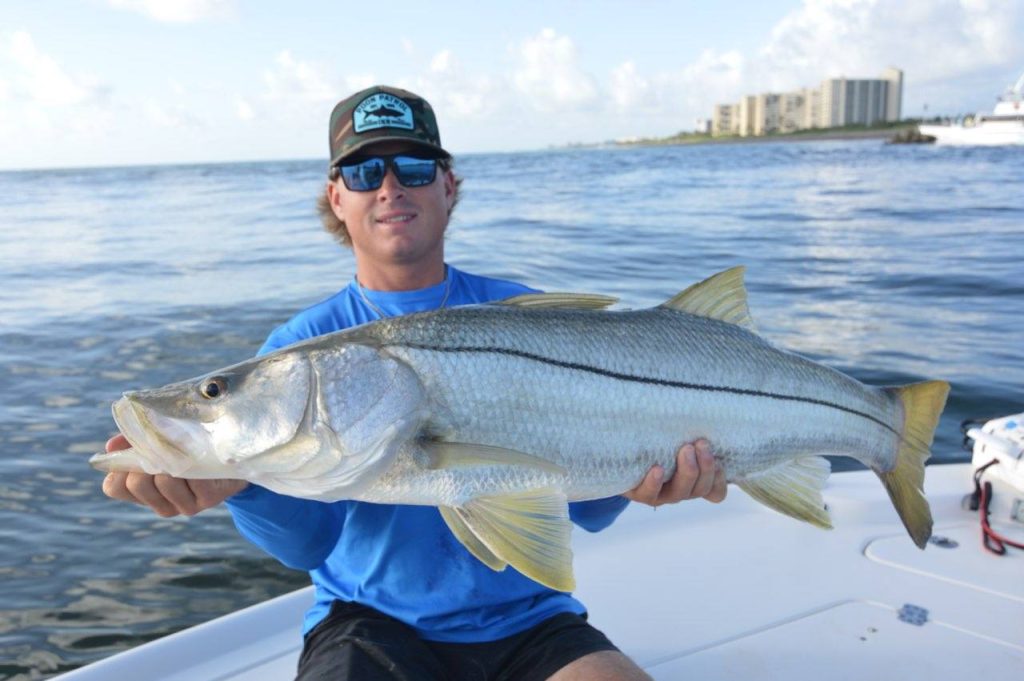
Inshore fishing typically takes place in shallow waters close to land, generally within a few miles of shore. Depths are usually less than 30 feet, and this type of fishing often occurs in bays, estuaries, mangrove-lined shorelines, or near tidal creeks. The focus is on species that thrive in calm, protected waters with a variety of structures like docks, grass flats, and oyster beds.
Examples of Inshore Fishing Spots Around Sarasota
- Sarasota Bay: This expansive bay is a major inshore fishing “spot.” Fishermen can target seagrass flats for species like redfish, trout, and snook. The bay’s accessible from various public parks and boat ramps, such as Ken Thompson Park near St. Armands Circle.
- Roberts Bay: A smaller bay south of Sarasota Bay, located near Siesta Key. Its calm waters and mangrove-lined edges make it a popular spot for snook and snapper fishing.
- New Pass: This channel connects Sarasota Bay to the Gulf of Mexico and is accessible from Lido Key. It offers inshore fishing opportunities for species like sheepshead and flounder, especially near bridge pilings.
- Tidal Creeks & Mangroves: Phillippi Creek and Whitaker Bayou are examples of smaller, sheltered areas where you can catch juvenile tarpon, snook, and snapper.
Pro Tip: Stick to areas like the mangroves, flats, and passes. These spots are natural feeding grounds where fish love to hang out. Those aren’t just scenic spots (with good photo ops), they’re also prime fishing real estate. The mangroves are pretty much high-rise condos when it comes to where the fish are—and the passes? Well, think of them as the I-75 of the fish world—they’re all packed with fish going about their day, heading from here to there, mostly oblivious to the hook that might be about to change their plans.
Inshore Species You Can Catch Around Sarasota
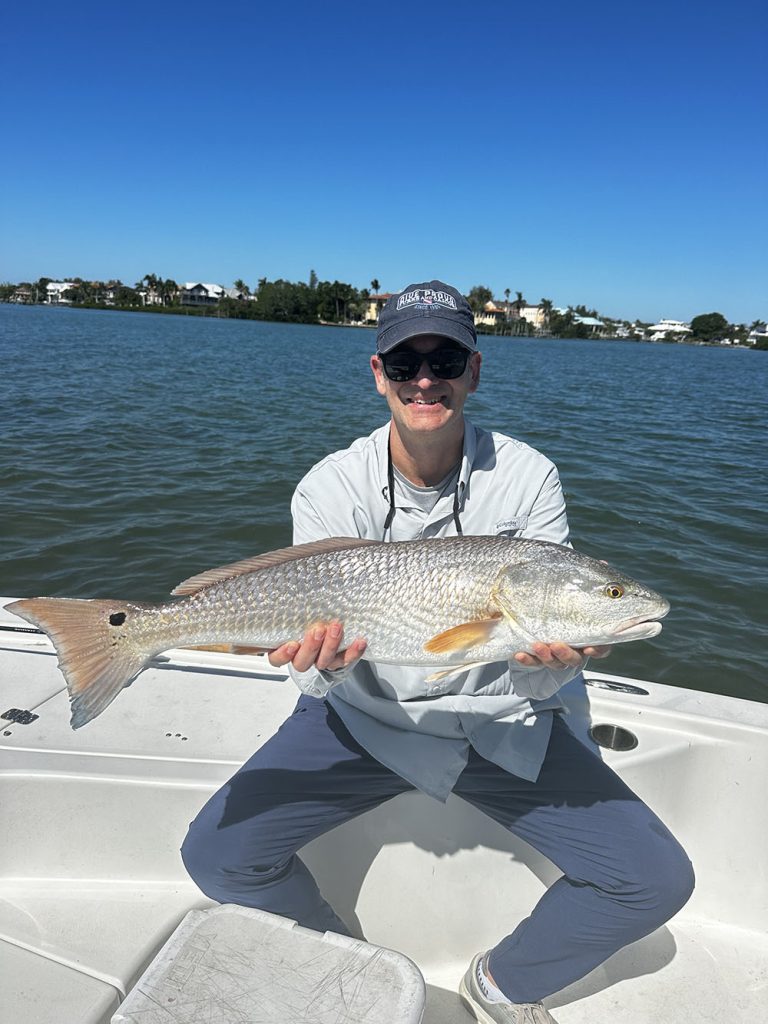
Redfish
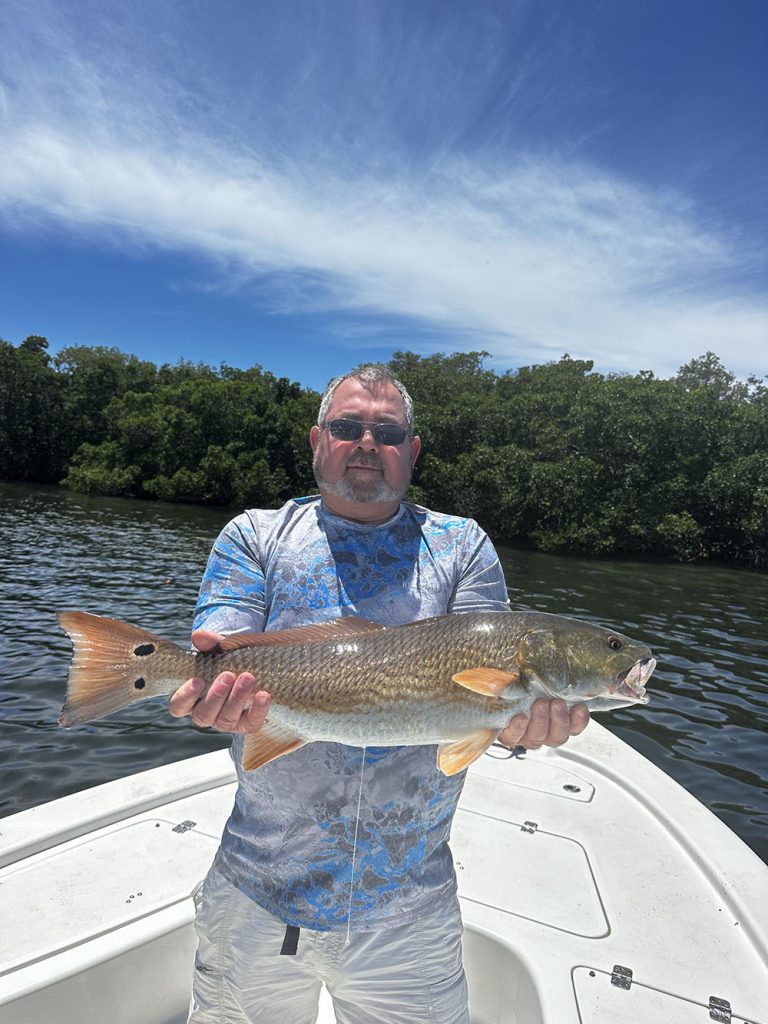
Where & When to Find Them: Reds are staples around here. They hang out in the shallow flats and love the areas around oyster bars. Cooler months, like fall and winter, are your best bet for finding them more actively feeding in clearer waters.
How to Catch Them: A good approach is to use live bait—i.e. shrimp or small baitfish. They can’t resist it. If you’re into using lures, try gold spoons or soft plastic paddle tails. Sight fishing works well when the water’s clear; just keep your eyes peeled for them cruising the flats or tailing in shallow water.
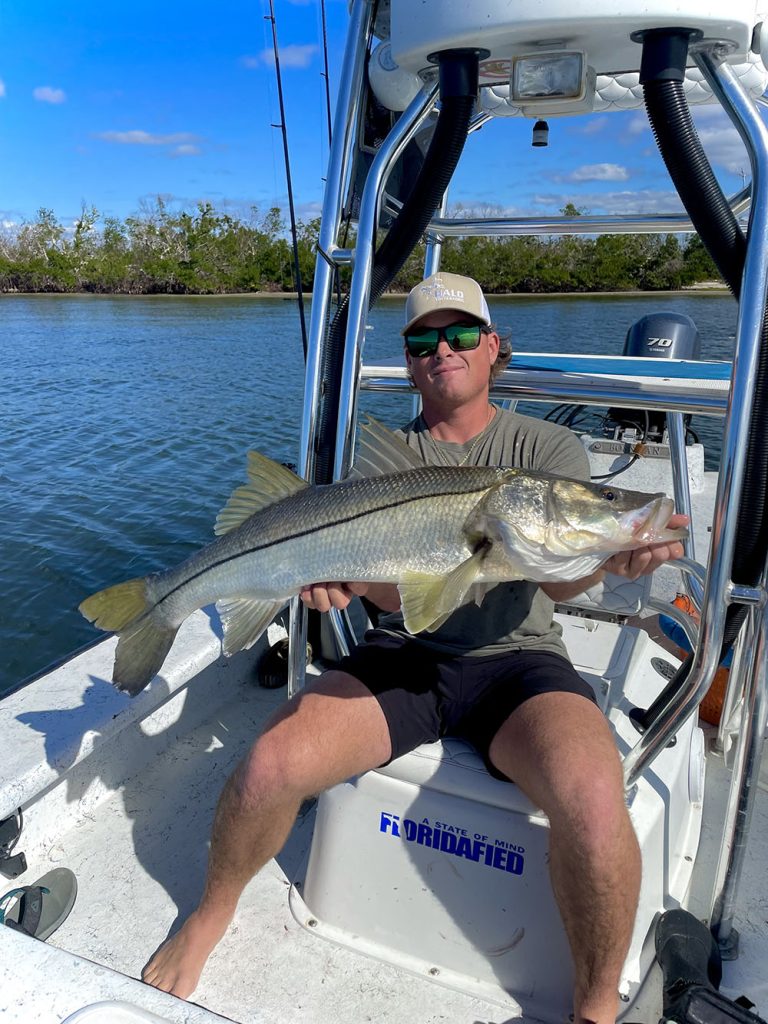
Snook

Where & When to Find Them: Snook will be around structures—docks, bridges, and mangroves are hot spots. They’re more active when the water warms up, so late spring through early fall is prime time.
How to Catch Them: Live bait like pilchards or pinfish is effective. If you prefer artificial, go with something that mimics these baits, like a swimbait or a jerkbait. Cast near the structures they frequent and be ready for a strong fight.
Speckled Sea Trout
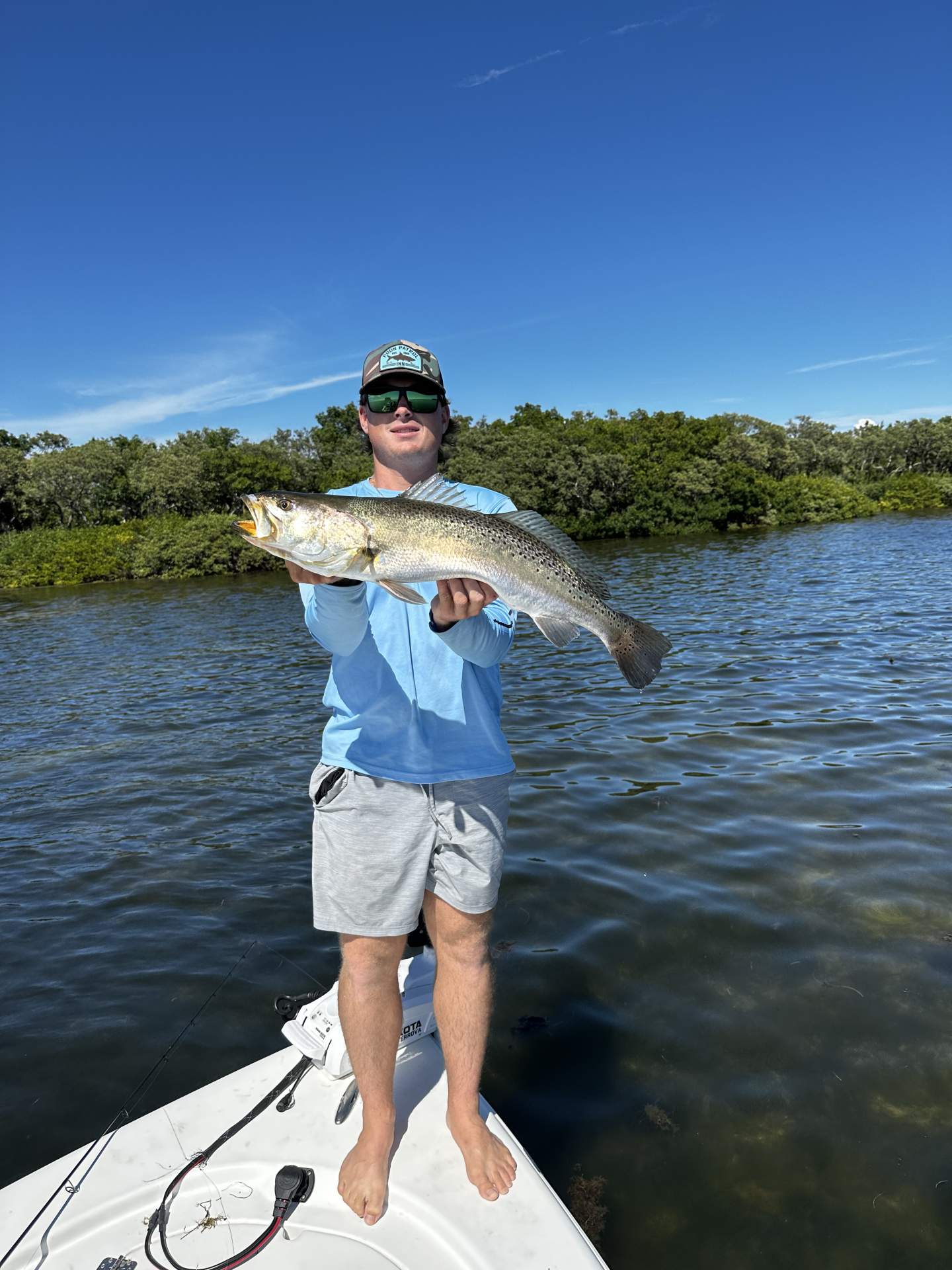
Where & When to Find Them: Look for speckled sea trout on grassy flats and around deeper seagrass beds. They’re around all year, but spring and fall can be particularly good times to target them due to moderate temperatures.
How to Catch Them: Light tackle with live shrimp under a popping cork is a classic setup that works wonders for trout. For artificial baits, soft plastics or small topwater plugs in the early morning can be effective. Cast into deeper pockets among the flats, especially where there’s a mix of grass and sand.
Tarpon
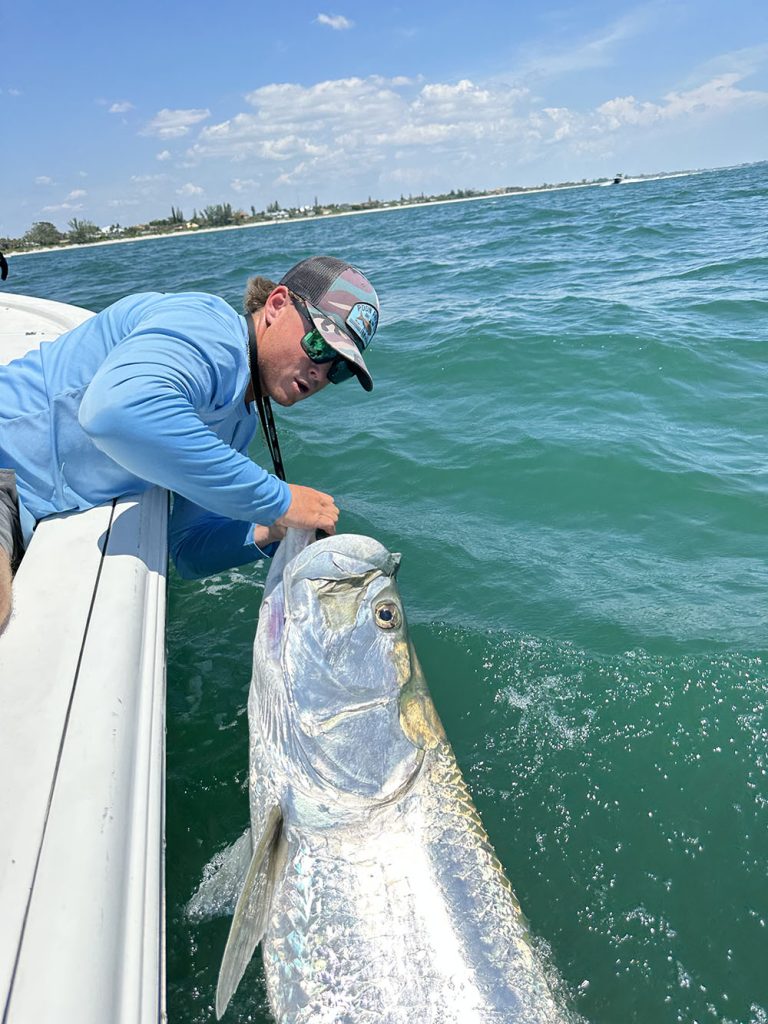
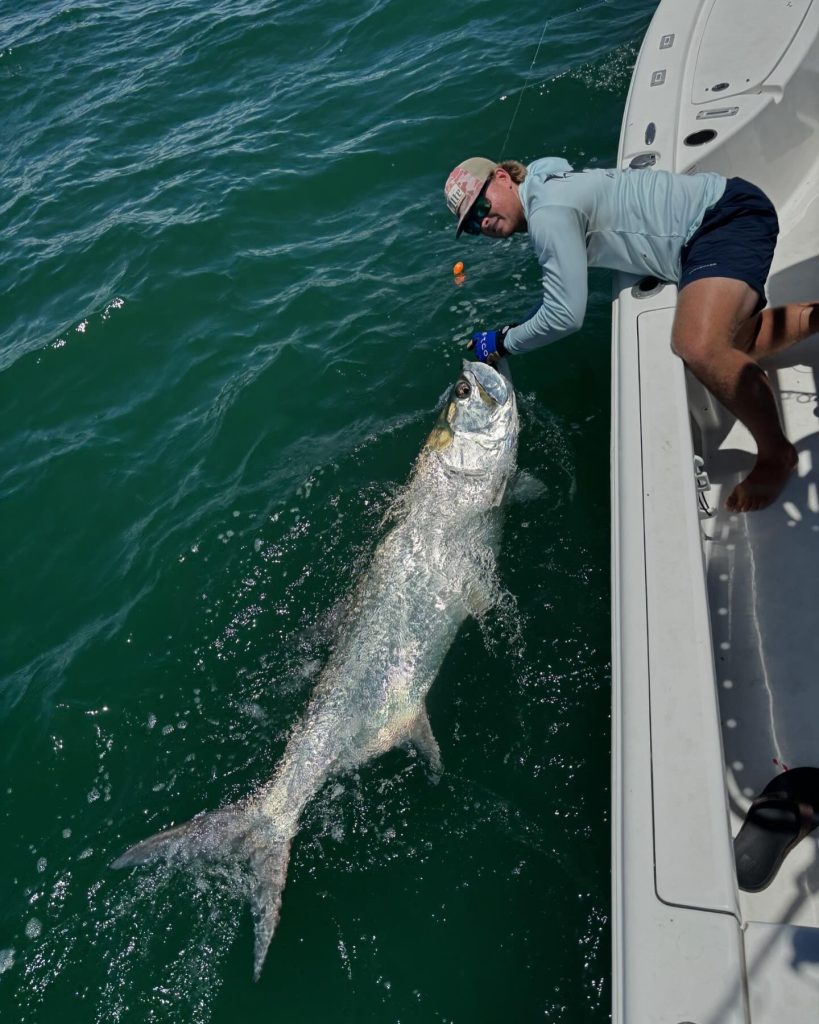
Where & When to Find Them: Tarpon, also called the “Silver King,” can be found along the beaches, passes, and bays around Sarasota. Good locations include New Pass, Big Pass, and the waters off Longboat Key. Tarpon fishing charters heat up during their migration, which peaks from late spring through early summer. At dawn and dusk, they’re often seen rolling on the surface or feeding on schools of baitfish near passes and beaches.
How to Catch Them: Live bait like crabs or large threadfin herring is highly effective for tarpon. Fly fishing enthusiasts often target them using large, flashy flies designed to mimic baitfish. If you prefer artificial lures, opt for heavy jigs or soft plastics that can reach deeper water. Sight fishing is especially thrilling—look for their distinctive silver flashes as they roll or hover near the surface. Be ready for a fight; tarpon are known for their stamina and dramatic aerial acrobatics, so ensure your tackle is up for the challenge.
General Inshore Tips
- Medium-light spinning gear works well for all three species above. You can use braided line for better casting distance and sensitivity, and always have a fluorocarbon leader to prevent break-offs from sharp teeth or rough mouths.
- Fish move with the tides. Incoming tides can be the best times to fish because they bring in clean water and active feeding.
- Should go without saying, but these 3 species can be wary, so quiet approaches/not disturbing the water too much will help you get more bites.
Habitat Overview
Grass Flats
The shallow grass flats in Sarasota Bay are central to inshore fishing. Here’s why: these flats are like underwater meadows where baitfish and crustaceans find shelter, which in turn draws in the predators—redfish, trout, and snook.
To fish these flats effectively, time your outings with the rising tides. This is when these predators move in closer to shore to feed, making them easier to target.
Mangroves
These tangled roots are perfect hideouts for snook and redfish, especially during high tides. When you’re fishing mangroves, aim your casts right up against the roots. Both snook and redfish will be lurking in the shadows, ready to pounce on any unsuspecting prey that comes too close.
To keep from losing your bait to the roots, use weedless soft plastics or live bait. These are your best bets for snag-free fishing in the dense areas.
Oyster Bars
Oyster bars attract fish because they’re full of bait, especially during moving tides. As the tide moves, it stirs up all sorts of small creatures that cling to the oysters.
When fishing oyster bars, use live bait or jigs and focus on the edges where the current is strongest—that’s where fish like to hunt. Target these areas with live bait or jigs, focusing on edges where the current flows.
Deeper Channels
In cooler months, fish retreat to deeper water for warmth. This is because fish, including trout and redfish, are seeking warmer waters found at greater depths. These channels become prime spots to fish when the shallow flats are cooling down.
Targeting these deeper areas can yield good results, especially on colder days when shallow waters are less active.
Nearshore
When you’re ready to catch bigger fish, Sarasota’s nearshore fishing grounds are where things start getting really interesting. The nearshore waters off Sarasota—those areas just off the coast but not too far out into the Gulf—are like the middle ground between the calm of the bays and the wild of the deep sea.
The term “nearshore” itself can be misleading, because we’re talking about waters typically ranging from 20 to 100 feet deep. These waters are easily accessible (generally under 9 miles out), so nearshore fishing trips don’t require you to commit to a full day on the water—unless you want to! Compared to deep sea angling, that’s less time chugging out to sea and more time with your line in the water.
Tip: Despite the terminology, nearshore isn’t the same as inshore fishing, which sticks to the calm, shallow waters close to land. Off the coast of Sarasota, you can encounter species typically associated with deep sea fishing in nearshore waters, such as King Mackerel (Kingfish), Cobia, Wahoo, and even occasionally Mahi Mahi (Dolphin fish), especially during their seasonal migrations.
This makes nearshore fishing charters off the coast of Sarasota County perfect for those looking to squeeze in a few hours of quality fishing, without having to head out too far from shore. It’s an ideal setup for folks who’ve got part of the day to spare and want to make the most of it. You can hit these spots and be back in time for dinner, maybe with a fresh catch to cook up.

Examples of Nearshore Locations Around Sarasota
- Artificial Reefs: Sarasota County has constructed numerous artificial reefs within 3-9 miles of shore. These include:
- M-8 Reef: Located approximately 7 miles west of Lido Key. Popular for grouper, snapper, and kingfish.
- Silvertooth Reef: Just offshore from Siesta Key, it offers great opportunities for fishing grouper, snapper, and mackerel.
- Natural Ledges: The Gulf of Mexico near Sarasota features natural rock ledges that attract grouper, snapper, and pelagic species like kingfish. Many of these ledges are just a few miles offshore.
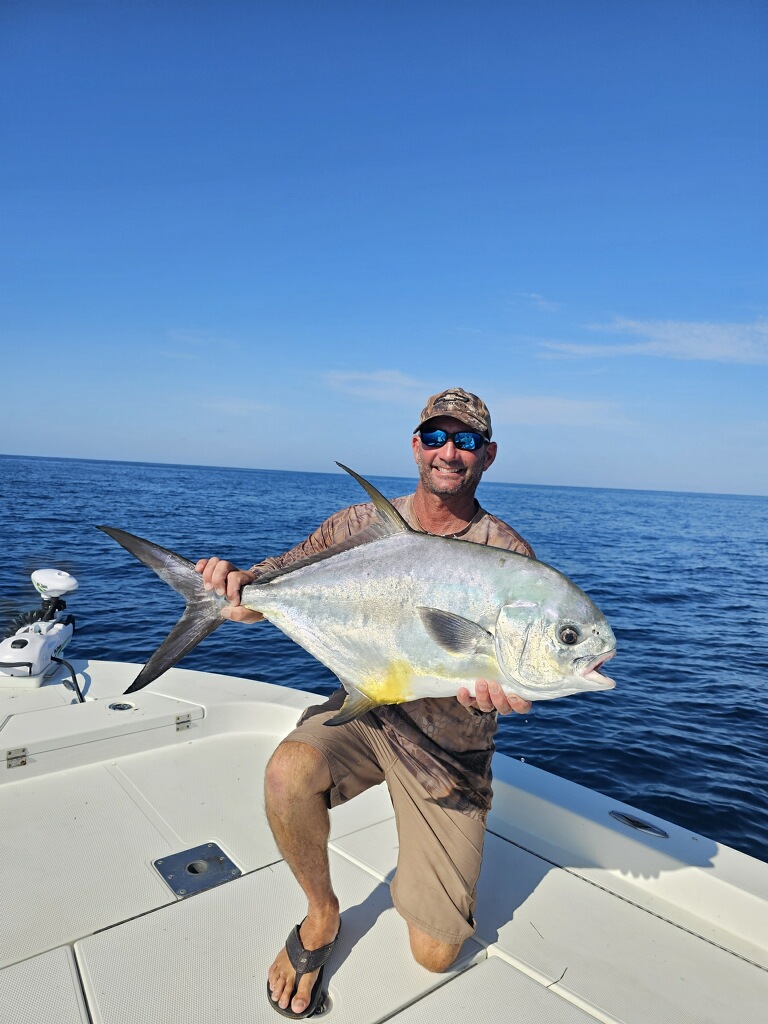
- Big Pass: The channel between Siesta Key and Lido Key provides a mix of inshore and nearshore opportunities. Its deeper waters attract species like permit, cobia, and mackerel, especially during migrations.
Nearshore Game Fish Species You Can Catch Near Sarasota
- Tarpon: Known as the “Silver King,” tarpon are the ultimate prize for many fishermen near Sarasota. These acrobatic fish are famous for their powerful runs and dramatic leaps, putting on a show as you fight to bring them in. The best time to target tarpon is during the annual migration, which peaks in late spring and early summer. You’ll find them cruising the beaches, especially off Siesta Key and Longboat Key, where they follow schools of baitfish, but you can find them in nearshore habitats. Around sunrise and sunset, they gather in passes like New Pass and Big Pass.
- Grouper: These bottom-dwellers are a staple around the nearshore reefs and wrecks. They’re tough fighters, and are especially abundant in the cooler months, though they do hang around all year.
- Snapper: Another favorite target of nearshore fishermen. Snapper, especially red snapper, are known for their fight and their flavor. They tend to congregate around structures, so reefs and wrecks are your best bet.
- Tripletail: These oddballs like to float near the surface disguised as a floating leaf or debris, lurking around buoys or floating sargassum. They’re elusive, which makes catching them all the more fun.
- Permit: Known for their power and speed, permit are a challenging catch that will test your skills and gear. They’re often found near wrecks and artificial reefs, where they hunt for crabs and small fish.
- Kingfish: Fast and aggressive, kingfish (or king mackerel) are adrenaline-pumping catches that often leap from the water and fight hard. Spring and fall are the best times to target these speedsters.
Tactics & Gear
When targeting Sarasota’s nearshore game fish, you’ll want to gear up appropriately:
Rods & Reels
For nearshore fishing in Sarasota, medium to heavy rods are your go-to. Pair them with reels designed to handle 20-50 lb test lines. This setup provides the strength needed to:
- Pull grouper away from rocky ledges or artificial reefs where they tend to hide. Grouper are notorious for diving back into structure, so a heavier setup is essential.
- Handle kingfish, which are known for blistering runs. A strong, smooth drag system is key to tiring them out without breaking your line.
Spinning reels are popular for versatility, but conventional reels might be better suited for bottom fishing because of their increased torque and line capacity.
Bait & Lures
Choosing the right bait can significantly increase your chances of success.
- Live Bait: Pilchards, pinfish, and shrimp are staples for Sarasota nearshore waters. These are readily available locally, and many bait shops will have freshly caught live bait to suit your needs. Use live pilchards or pinfish for grouper and kingfish, and shrimp for snapper and permit.
- Artificial Lures: For those who prefer artificials, jigs, spoons, and diving plugs work wonders:
- Jigs: Perfect for snapper and other bottom feeders. Tip them with a small piece of bait for extra attraction.
- Spoons: Use them when targeting kingfish or mackerel. Their flash mimics small baitfish and triggers strikes from fast-moving predators.
- Plugs: Deep-diving plugs can be productive for grouper, while surface or shallow-diving plugs might attract kingfish and even permit if they’re cruising higher in the water column.
Techniques
Your approach should match the habits of the species you’re targeting:
- Bottom Fishing: This is the primary method for grouper and snapper. Drop your bait near the structure, whether it’s a natural reef, ledge, or artificial reef. Use enough weight to keep your bait stationary, especially in stronger currents.
- Free-lining Live Bait: Ideal for kingfish and permit. Hook your live bait through the nose or back, and let it swim naturally with minimal weight. This technique works well over sandy bottoms or near bait schools.
- Sight Fishing for Tripletail: Keep a sharp eye out for floating debris, buoys, or crab trap markers. Tripletail often linger near these objects. Cast a live shrimp or small lure close to the structure and allow it to drift naturally to entice a strike. Use lighter tackle for a more thrilling fight but be prepared for their stubbornness once hooked.
Local Considerations
Sarasota’s nearshore waters can have varying conditions depending on the season:
- Seasonality: Grouper and snapper are often more active in cooler months, while kingfish migrations peak during spring and fall. Permit and tripletail are more prevalent in the warmer months, particularly around crab trap lines.
- Tides and Currents: Plan your fishing trips around moving water—either the incoming or outgoing tide. Fish are more active during these times, and bait presentations appear more natural.
- Local Structures: Sarasota has an abundance of artificial reefs and wrecks within a few miles of shore. These are hotspots for grouper and snapper. Kingfish and other pelagics tend to roam the edges of these structures.
Offshore
If inshore and nearshore fishing appeal to those who enjoy the variety and accessibility of coastal waters, offshore fishing caters to people looking for a different kind of challenge. In the deeper “bluewater” of the open ocean, anglers target pelagic species that require specialized gear and a significant time investment to reach productive fishing grounds.
These species, such as tuna, sailfish, and marlin, are prized for their strength and stamina, often putting up intense fights that test both skill and equipment. For those who don’t have the time—or don’t want to spend it—to go hours offshore, it’s worth noting that several sought-after Floridian game fish species commonly associated with deeper waters—like kingfish, cobia, and even the occasional mahi-mahi—can often found closer to shore under the right conditions, providing opportunities for those fishing within nearshore waters.
Species
- Blackfin Tuna: Smaller than their Yellowfin cousins, but pound for pound, these guys are pure muscle.
- Mahi Mahi: Also known as dolphin fish, these colorful beauties are as fun to catch as they are to photograph. They are also among those that might venture nearshore, especially in warmer currents.
- Billfish: Sailfish and Marlin are significant challenges and are considered one of the top sought-after types of fish around Florida.
- Wahoo: Fast, sharp-toothed predators that hit hard and run fast, and can also be found in nearshore waters under the right conditions.
What to Expect
Offshore fishing typically involves traveling considerable distances—sometimes 50 to 100 miles offshore—which requires a full day’s commitment. These excursions generally necessitate a charter due to the challenging navigation and specialized equipment needed, which goes beyond what most casual fishermen possess.
How is it different from nearshore fishing? Comparatively, offshore fishing offers the chance to encounter larger species like tuna, while nearshore fishing offers the flexibility of shorter trips with plenty of action and variety closer to land.
Fishing Tournaments
Got a competitive streak? Sarasota hosts several fishing tournaments throughout the year, and they’re a great way to show off your skills (or test your luck).
Local Favorites
- Sarasota Tarpon Tournament: This is the big one for Tarpon enthusiasts. Established in 1930, this is the oldest continuously running tarpon tournament in the United States and attracts some serious talent. It typically runs from early May through mid-June, attracting fishermen who want to catch and release tarpon in Sarasota’s waters.
- Sarasota Slam: This tournament features both inshore and offshore divisions, targeting species like billfish, grouper, snapper, and fun fish categories. The event usually takes place in August, with activities centered around Marina Jack in Sarasota.
- Suncoast Saltwater Shootout: Another crowd-pleaser with a mix of categories.
These tournaments are no joke, so bring your A-game. Expect stiff competition and long days, since everyone’s chasing the same prize!
Rules & Regulations
Fishing in Sarasota is easy, but you’ve got to follow the rules.
If you’re with a licensed charter, you’re covered—captains include the necessary fishing licenses in the cost of the trip.
Fishing on your own? You’ll need a Florida saltwater fishing license.
Where to Get a License
- Online at the Florida Fish and Wildlife Conservation Commission (FWC) website.
- At local sporting goods stores.
- Some bait shops.
Know the Limits
Keep an eye on bag and size limits, which vary by species and season. The FWC website has all the details, so check it before you head out.
Fishing Seasons in Sarasota
January
The year kicks off with cooler water temperatures, which bring Sheepshead in droves to Sarasota’s inshore waters. They’re often found around docks, bridges, and rock piles. Redfish are also active in the shallows, feeding steadily. Offshore and nearshore, Grouper can be targeted near reefs and wrecks. While conditions are windier, persistent fishermen will find plenty of action.
February
Inshore waters remain productive, with Sheepshead hitting their peak spawning season. Redfish continue to be abundant, particularly during warming trends. Nearshore fishing for Grouper remains solid, and you might encounter early Cobia in deeper waters. Cool-weather fishing offers steady opportunities before the busier spring season begins.
March
As spring arrives, King Mackerel make their way closer to shore, offering exciting runs and surface action. Tarpon start to trickle into the area, with small pods appearing in preparation for their peak migration. Inshore, Spotted Seatrout join Redfish as prime targets.
April
April is a transition month, with King Mackerel in full swing and Tarpon becoming more consistent. Snook start to move out of their winter hiding spots and become more active.
May
May is the start of the highly anticipated peak Tarpon season. These iconic fish gather in large numbers along the beaches, ready to test your strength and skill. Snook are abundant near the shorelines and mangroves.
June
Tarpon fishing reaches its peak, with countless opportunities for those targeting these powerful fish. Snook continue to thrive in shallow waters, especially near passes and jetties. Calm summer seas make it a great time to explore nearshore hotspots.
July
Tarpon remain active through July, with early mornings providing the best chances for success. Redfish and Snook fishing remain consistent, while mangrove Snapper offer an excellent option for inshore fishermen. This is also a great time to target Sharks.
August
The Gulf remains calm, and Tarpon season starts to wind down. Inshore fishing remains solid, with Snook and Redfish leading the charge.
September
September marks the start of a cooling trend, and Snook fishing becomes a highlight as they transition back to their fall patterns. Redfish schooling activity picks up, making them prime targets. Offshore fishing slows slightly, so this is a great time to try inshore fishing in the shallows.
October
October brings a seasonal shift with cooler weather and excellent opportunities for Snook and Redfish. Inshore fishing is at its best, with these species aggressively feeding in preparation for winter. Snapper fishing picks up as well, especially in deeper areas. Fall Grouper fishing starts to gain momentum, making it a great month for both inshore and nearshore adventures.
November
November signals the return of cooler waters with plenty of Grouper and Snapper both around. Inshore, Redfish and Snook are still very active, especially in the first half of the month. Sharks also make a reappearance, offering thrilling battles for those looking to test their tackle.
December
The year wraps up with excellent fishing opportunities. Grouper remains a top target off the Gulf Coast, while inshore fishermen can focus on Redfish and Sheepshead. Cooler water temperatures also make this a good time to target Sharks and Cobia. December’s calmer conditions make it a fantastic month to end the fishing year in Sarasota.
Final Thoughts
If you’re serious about putting fish in the boat, Sarasota is the kind of place that gets it done. From the first cast to the last reel, there’s a magic to these waters that’s hard to put into words—but easy to feel the moment you’re out there. Maybe it’s the way the Gulf shimmers under the sun, the gentle roll of the waves, or the adrenaline you feel when the line suddenly goes tight. Whatever it is, Sarasota makes you want to come back for more.
The beauty here is the sheer variety—of types of fishing, of spots, of fish waiting to caught. Whether you’re working the inshore flats for Snook, or heading out to catch Grouper, there’s always something biting in Sarasota. One day you’re stalking Redfish in the mangroves—the next, you’re out chasing Tarpon so big they feel like they’ve been here since the dinosaurs.
So bring your gear, your game plan, and a little bit of grit—you’re going to need it.
So whether you’re here for the fight of a lifetime with a Tarpon or a peaceful day casting lines with family, Sarasota delivers.