
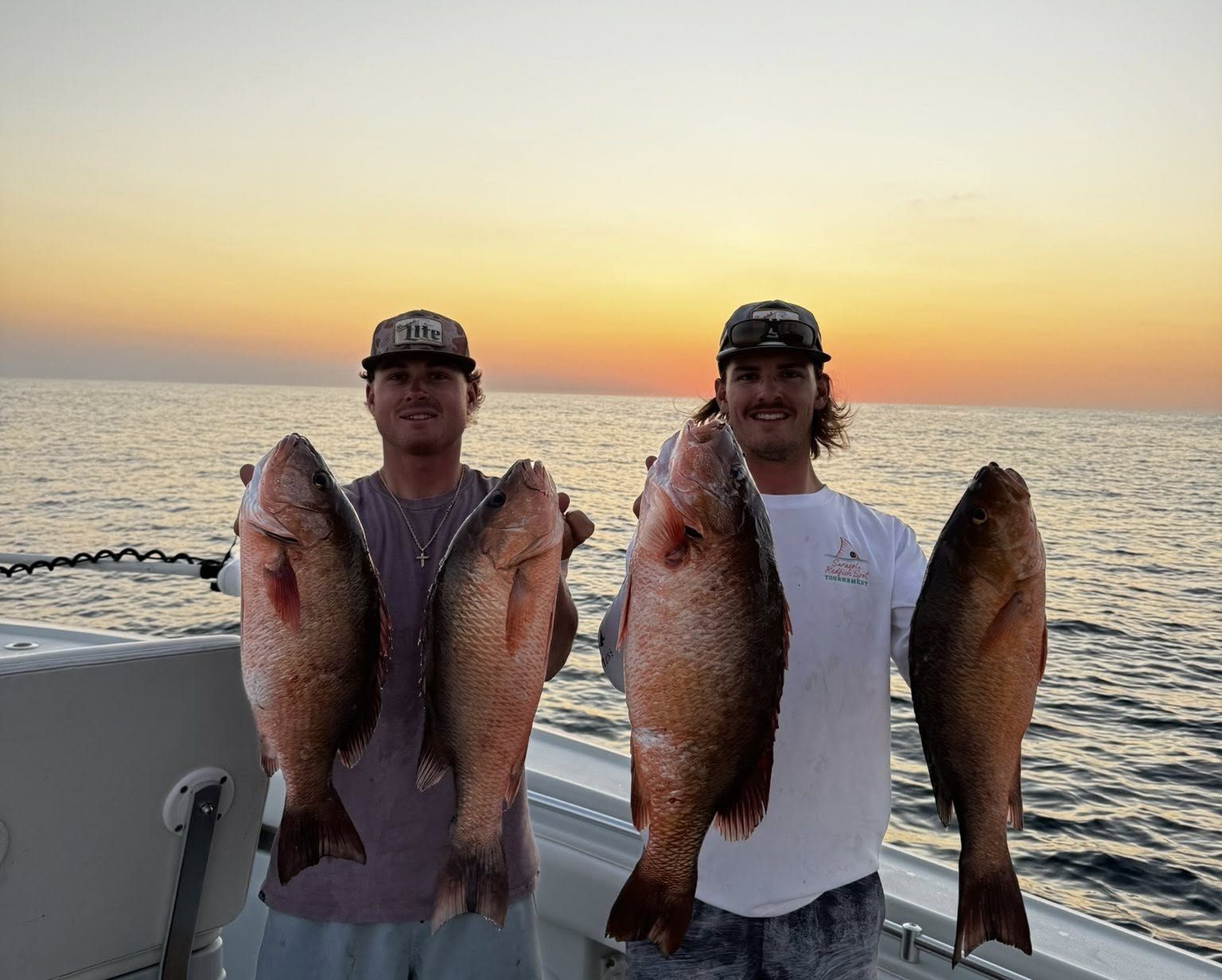
Southwest Florida summers are no joke. With sweltering heat, high humidity, and limited airflow inshore, many fishermen find themselves drained before the day even starts. But just a short ride off the coast lies a better option. Nearshore waters, extending out to about nine miles, offer more than just good fishing. They create a noticeably more comfortable and productive environment during the hottest months.
This article breaks down why nearshore fishing becomes a smart play when the heat peaks. From the environmental factors that create relief, to how species behave and where they gather, to the tactics and gear that work best out there, we’ll cover what makes nearshore fishing a dependable summer solution.
What Nearshore Means and Why It Matters
Nearshore waters are defined as the stretch between the beach and the outer edge of state waters, up to about nine miles offshore. In Southwest Florida, this range typically includes depths from 20 to 70 feet. What sets these waters apart is a mix of accessibility, structure, and water movement that make them both easier to reach and more productive to fish.
Structure is a major driver. You’ll find artificial reefs, natural limestone ledges, rock piles, and scattered wrecks that hold bait and attract predatory species all summer long. These zones are reachable with bay boats, hybrids, and offshore center consoles, especially on calmer mornings. That makes them an ideal target area for half-day or full-day trips that don’t require long runs or heavy fuel costs.
Environmental Conditions that Make Summer Fishing Better Offshore
The further you get from the radiating heat of land, the more tolerable the summer feels. Nearshore waters bring a set of environmental advantages that reduce discomfort and create more consistent fishing conditions.
Sea Breeze Effects
In Southwest Florida, a reliable sea breeze develops nearly every summer day. As the land heats up faster than the water, air rises over the coast and pulls in cooler, denser air from the Gulf. This creates a steady onshore breeze that starts by mid to late morning and increases through the afternoon. The breeze often doesn’t reach sheltered inshore areas but makes a major difference in nearshore zones.
Water Temperature Stability
While inshore waters can see wild daily swings in temperature, especially on low tide flats, nearshore waters stay much more consistent. Average summer temps hover in the low to mid 80s in nearshore depths, which is significantly cooler than back bays and tidal creeks. Fish remain more active throughout the day, and fishermen stay more comfortable as well.
Lower Radiant Heat
On land, you deal with heat radiating off pavement, structures, and marsh banks. Nearshore, you are surrounded by open water, so there is no extra heat bounce. Combined with the wind and open surroundings, this removes the suffocating feel of inland summer fishing.
How Summer Heat Shifts Fish Behavior
The heat affects fish just as much as it does people. Many species adapt their behavior to stay comfortable, conserve energy, and hunt more efficiently.
Vertical Movement
As surface temperatures climb, species like snapper, cobia, and permit often hold deeper in the water column where temperatures and oxygen levels are more stable. Nearshore structure offers perfect conditions for this.
Feeding Windows
Feeding tends to peak during the cooler parts of the day. Early morning and late afternoon usually produce the most aggressive activity, though stable nearshore conditions can keep fish active well into the midday hours.
Structure Focus
Fish concentrate around ledges, reef edges, wrecks, and debris piles. These areas hold bait and provide temperature buffers, making them prime real estate during summer.
Species That Fire Off in Nearshore Summer Waters
King Mackerel
During summer, kings are drawn to nearshore ledges and reef edges loaded with bait. Warmer water pushes them into slightly deeper parts of the nearshore zone, where slow trolling live baits during early morning hours is most productive.
Spanish Mackerel
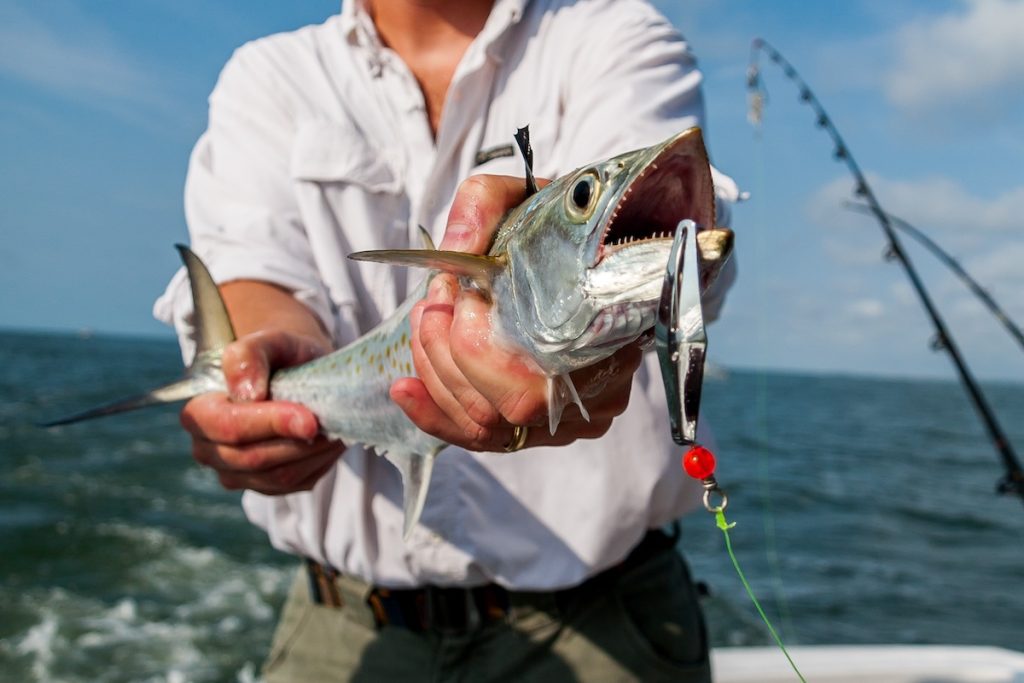
Spanish mackerel remain highly active nearshore all summer, especially during calm mornings with clear water. They concentrate around bait pods and respond quickly to surface disturbance, making sight casting highly effective.
Bonito (False Albacore)
In summer, large schools of bonito roam nearshore chasing baitfish. They are most active when bait schools are pushed up by tide or current changes, often erupting on the surface in explosive bursts.
Snapper
Snapper behavior becomes highly predictable during the summer.
- Mangrove Snapper move into tighter schools on nearshore reefs and feed more aggressively in early morning and late afternoon. Chumming during these windows draws them higher in the column.
- Lane Snapper become more structure-oriented in hot conditions, holding near bottom and feeding steadily on cut bait.
- Vermilion Snapper favor the deeper end of the nearshore range in summer and often feed best during strong tide shifts.
- Yellowtail Snapper, when present, stay suspended over clean bottom and respond best to light chum and small, natural baits during calm, clear days.
Grouper
Grouper shift their positioning and activity based on heat and oxygen conditions.
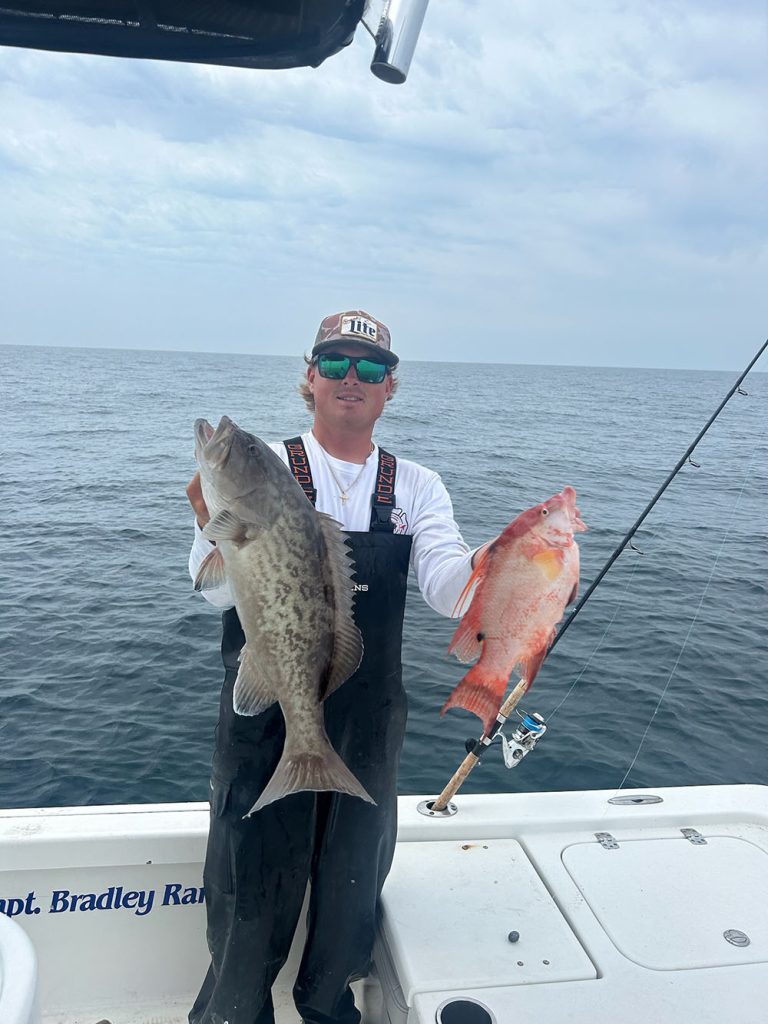
- Red Grouper stay tight to hard bottom and show more consistent daytime feeding behavior during summer, especially when bait is present.
- Gag Grouper may linger on nearshore structure early in summer before pushing farther offshore. They bite most aggressively after tide changes.
- Scamp Grouper, if they show in the nearshore range, tend to hold deep and strike best during slower tidal periods with good current flow.
Permit
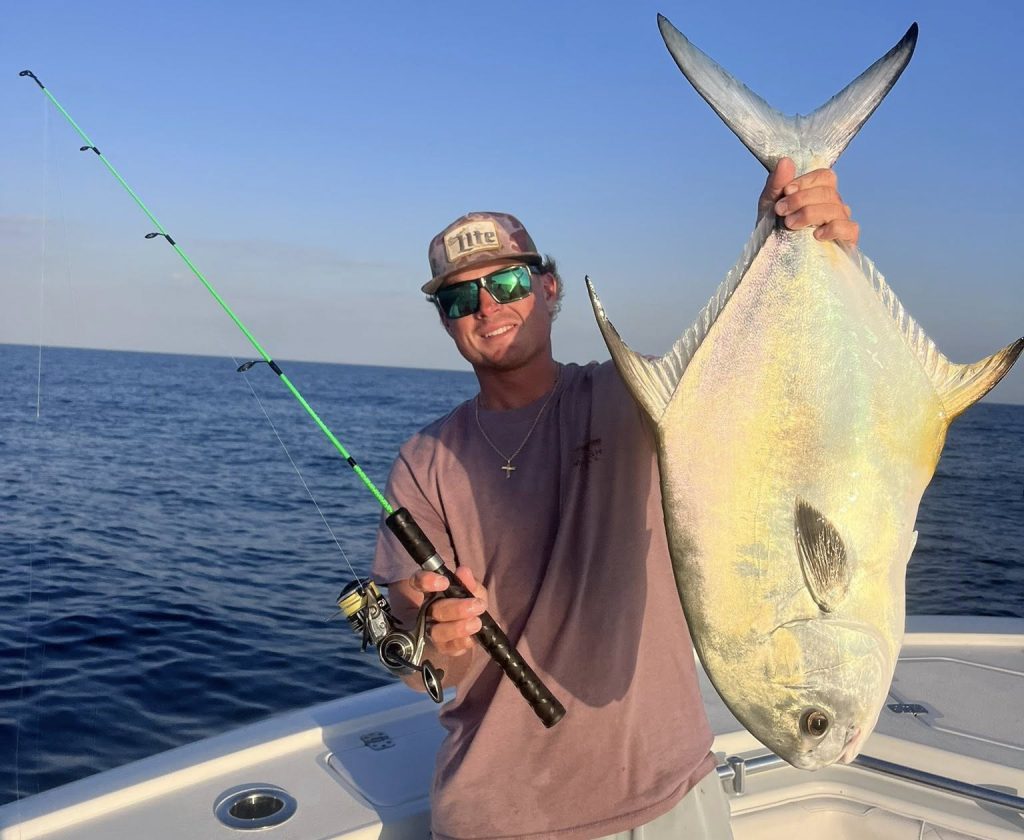
Summer permit stick to nearshore wrecks and sandy rubble during peak heat months. Strong tidal movement during the new and full moons triggers active feeding, especially when live crabs are present.
Cobia
Cobia are more transient in summer but appear around rays and active wrecks during bait surges. Sightings are more common during calm mornings with light chop and good visibility.
Barracuda
Hot summer conditions bring barracuda to the surface, where they stage around reef tops and wrecks. They use high light and clear water to ambush injured baitfish and often attack anything flashy or fast-moving.
Jacks
Summer jack behavior is driven by surface bait and current.
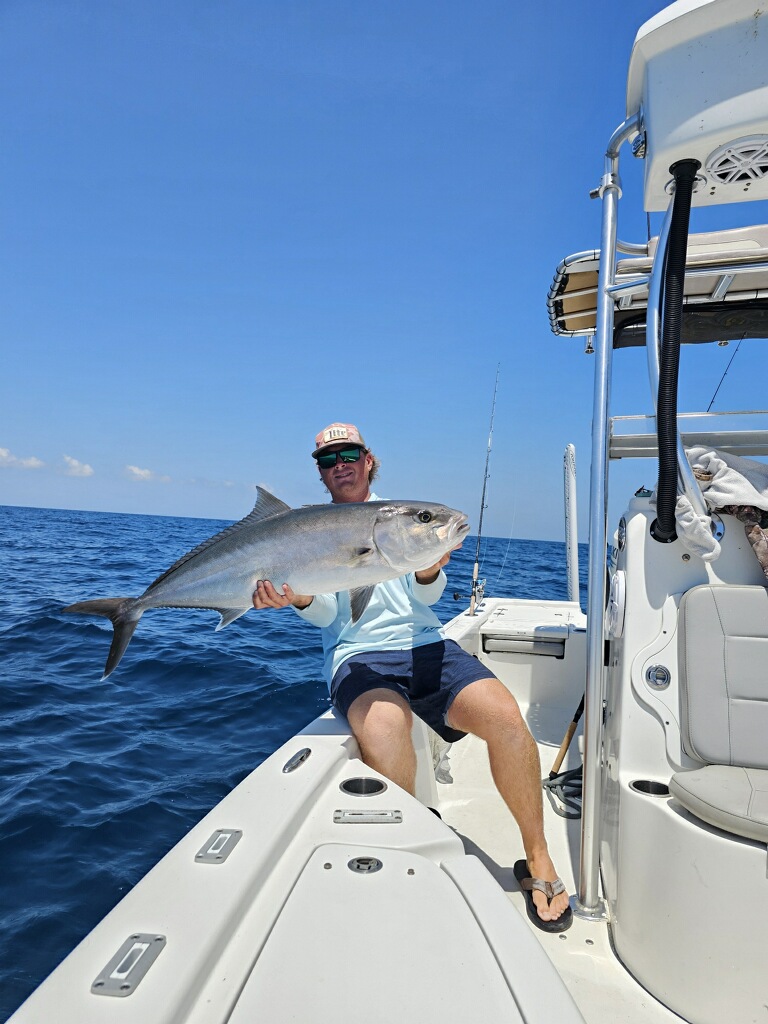
- Juvenile Amberjack can hold on deeper wrecks nearshore in early summer before transitioning farther out, feeding in short bursts around slack tide windows.
- Jack Crevalle form fast-moving schools that crash bait early in the day before dispersing during peak heat.
- Almaco Jack may appear during strong current windows, especially on deeper wrecks within the nearshore range.
- Horse-eye Jack are rare but show up around structure with high bait concentration, typically responding to tide changes.
Summer Fishing Tactics and Gear That Get Results
Drifting
Drift fishing over known structure lets you present baits across a wider area. This is ideal for finding where fish are holding when conditions are variable.
Slow Trolling
A top technique for mackerel and cobia. Live blue runners or threadfins rigged with a stinger setup should be trolled between 1.5 and 2.5 knots.
Bottom Fishing
Use a knocker rig or fish finder rig with just enough weight to hold bottom. Light tackle works for snapper, but step up to 60-80 lb leader for grouper or cobia.
Gear Considerations
- Use 15 to 30 lb fluorocarbon leaders depending on species and clarity
- Circle hooks from 1/0 to 5/0 cover most applications
- Live bait like pilchards, threadfins, or shrimp is best. Bring sabiki rigs to catch your own when possible
- Fish early or late to beat the heat and line up with prime feeding windows
Environmental Variables to Track
Water Clarity
Dirty water from storms or heavy west winds can shut down the bite or drive fish deeper. Clear water makes everything easier, especially when sight fishing.
Tide Movement
Strong incoming or outgoing tides bring bait and encourage feeding. Plan your trip around the best windows for current movement.
Bait Presence
No bait, no action. Birds, slicks, or surface flickers show where bait is concentrated. Fish follow the bait, so let them show you where to set up.
Who Should Consider Nearshore Trips in Summer
Family Groups and Casual Fishermen
Nearshore waters provide more manageable conditions and consistent action. You get the feel of open water fishing without long runs or rough seas. That makes it ideal for kids, beginners, and casual groups.
Serious Fishermen
Targeting cobia, permit, kingfish, and snapper in nearshore depths is a challenge worth taking. The variety of tactics and species keeps things interesting, and the action can be just as hot as offshore on the right day.
Anyone Trying to Escape the Heat
If you want to fish in summer but hate the still, heavy air inshore, nearshore waters offer immediate relief. Between the breeze and the water temps, it’s a far better place to be.
A Smarter Way to Fish Through the Heat
Fishing in Southwest Florida during summer doesn’t have to mean sweating through dead air in the back bays or running hours offshore. Nearshore zones offer a perfect in-between. You get stable water temps, consistent breeze, and a wide variety of fish that feed actively all summer long. Structure is abundant, access is manageable, and the conditions tend to hold steady even when the land feels unbearable.
With the right gear, smart planning, and an eye on water movement, nearshore fishing becomes one of the best ways to stay on the bite during the hottest part of the year.
If you’re ready to take advantage of what summer nearshore fishing has to offer, join us at Run N Gun Fishing Charters. Captain Bradley runs trips out of Southwest Florida targeting all the species and tactics described above. Our nearshore trips are built around comfort, success, and real-time conditions. Let us help you beat the heat and stay on fish this summer.