

Spring in Sarasota marks a prime time for inshore fishing, bringing a surge of activity in local waters as temperatures rise and fish become more active. Fishermen looking to target species such as snook, redfish, trout, and tarpon will find that spring offers ideal conditions for successful outings. Understanding the seasonal movements of fish, bait availability, and habitat changes is key to making the most of inshore fishing in Sarasota during this time of year.
Why Spring is the Best Time for Inshore Fishing in Sarasota
Spring is a transitional season that brings warming waters, increased baitfish presence, and favorable weather conditions. As water temperatures climb from winter lows, inshore species begin to migrate out of deeper channels and back into shallower flats, estuaries, and mangrove-lined shorelines. This movement creates an opportunity for fishermen to target fish in more predictable areas, especially as they feed aggressively to rebuild energy lost during the cooler months.
Additionally, spring marks the pre-spawn period for many species. Snook, for example, will start their migration toward passes and beaches to prepare for summer spawning. During this time, they are particularly active and feed heavily. Redfish and speckled trout are also more responsive to bait presentations in the warming shallows, making spring a time of both high fish concentration and increased catch potential.

Key Target Species and Springtime Activity in Sarasota’s Inshore Waters
Spring in Sarasota brings a dynamic shift in the behavior and distribution of inshore fish species. Warmer waters, increased baitfish movement, and changing tides create prime conditions for targeting a wide variety of gamefish. During this season, fisherman will find fish actively feeding and transitioning to new habitats, making it an excellent time to explore different fishing strategies and locations. Understanding which species thrive in spring and how their habits change is crucial for maximizing success on the water.
Snook
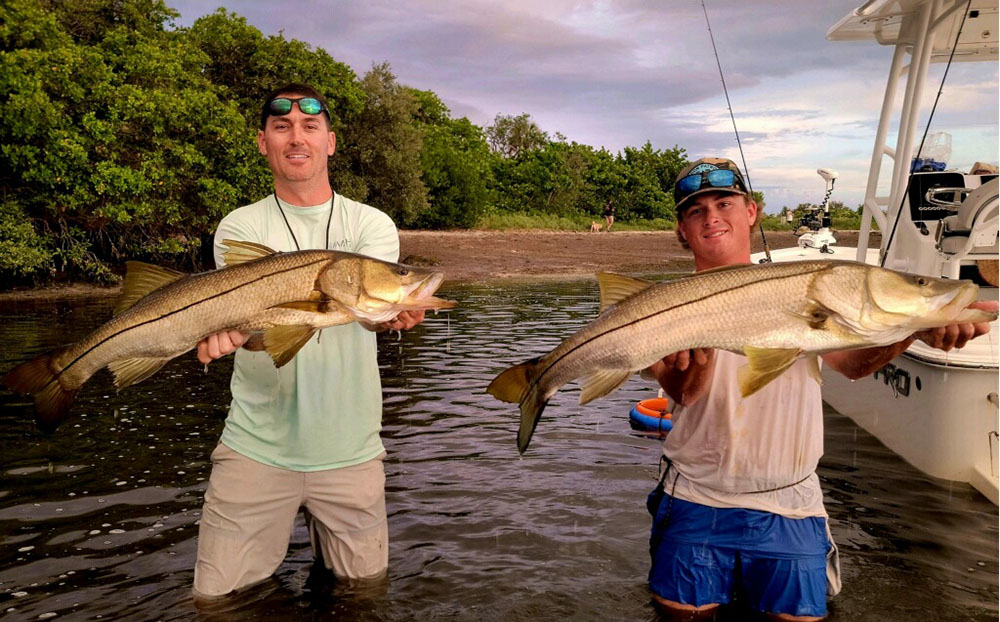
Snook are one of the most sought-after inshore game fish in Sarasota, and spring is one of the best times to target them. They move from winter haunts in deeper backwaters and residential canals to shallower areas where they actively feed. Snook are often found along mangroves, sandbars, and estuarine cuts during this time, responding well to live baitfish such as pilchards and threadfin herring. Artificial lures like soft plastics and jerkbaits can also be highly effective in the right conditions.
Redfish
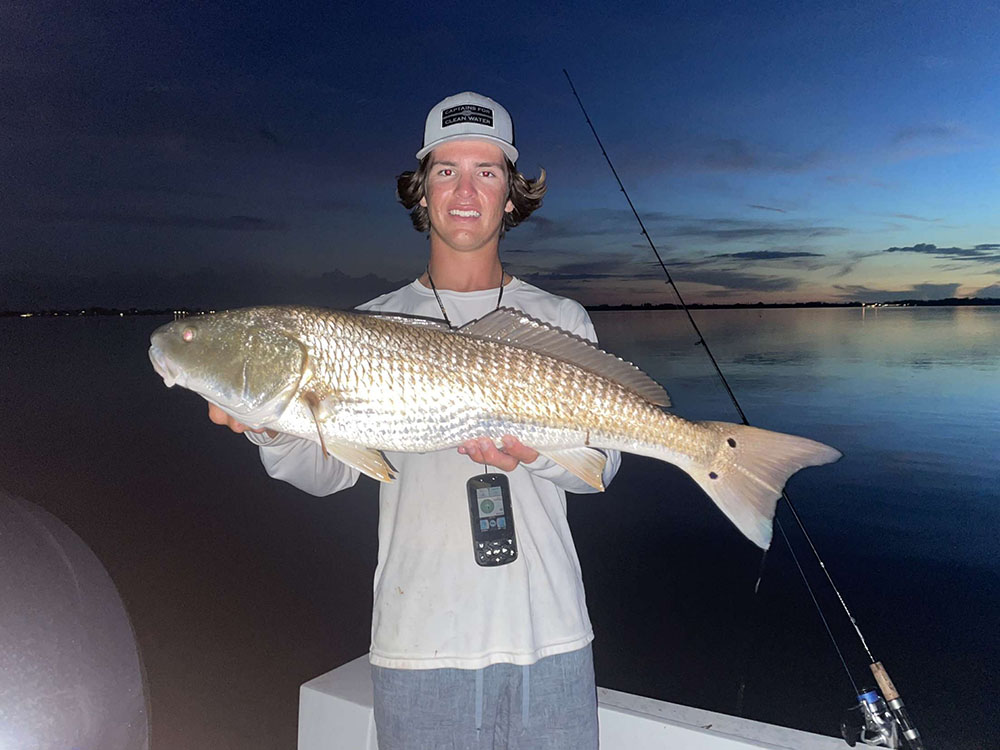
Spring redfish in Sarasota can be found schooling in the shallows, often over grassy flats, oyster bars, and near mangrove shorelines. These fish are known for their strong, bulldog-like fights and willingness to take a variety of bait presentations. Cut bait, shrimp, and artificial lures such as spoons and paddle tails are all effective choices. Redfish become more predictable in spring, making them an exciting target for fishermen looking to sight fish in clear waters.
Speckled Trout
Spotted seatrout are highly active in Sarasota’s inshore waters during spring. Found on seagrass flats ranging from two to six feet in depth, trout are aggressive feeders and will readily strike live shrimp, baitfish, or artificial lures like topwater plugs and suspending twitch baits. As water temperatures warm, trout begin to school up and feed more consistently, making them a great species to target for consistent action.
Tarpon
Although peak tarpon season in Sarasota typically arrives in late spring and early summer, the first waves of migrating tarpon often start appearing as early as March and April. These early arrivals can be found in back bays, river mouths, and nearshore waters. Targeting tarpon requires patience, as these powerful fish demand strong tackle and precise bait presentations. Live mullet, crabs, and large artificial swimbaits are commonly used to entice bites from early-season tarpon.

Pompano
Pompano are a favorite springtime catch in Sarasota, often found in sandy-bottomed areas, passes, and along the edges of grass flats. These fish are known for their strong fights and willingness to strike small jigs, shrimp-tipped hooks, and sand fleas. As water temperatures warm, pompano become more active, making them a fun and rewarding species to target in the spring months.
Spanish Mackerel
Spring marks the arrival of large schools of Spanish mackerel to Sarasota’s inshore and nearshore waters. These fast-moving fish chase baitfish aggressively, often striking shiny lures, spoons, and small live baits. They can be found in passes, along beaches, and near bait-rich areas where they put on exciting surface-feeding displays.
Jack Crevalle
Jack crevalle provide some of the most intense fights of any inshore species. These powerful fish often move in schools and can be found chasing bait along shorelines, flats, and deep channels. Their aggressive nature means they’ll readily strike topwater plugs, swimbaits, and live bait, making them an exciting target for fishermen looking for action-packed fishing.
Ladyfish
Sometimes referred to as the “poor man’s tarpon,” ladyfish are a common spring species in Sarasota’s inshore waters. They are known for their acrobatics and high-energy fights, often making them a great species for novice fishermen or those looking for steady action. Found in bays, passes, and along beaches, ladyfish eagerly take jigs, spoons, and live bait.
Sheepshead
Spring is also a productive season for sheepshead, particularly around docks, bridge pilings, and rock piles. These fish are skilled bait stealers, requiring patience and precision when fishing with shrimp, fiddler crabs, or barnacles. As they prepare for their late-winter to early-spring spawning cycles, sheepshead are more concentrated in these structures, making them a great target for fishermen looking for a tasty and challenging catch.
Flounder
Flounder are another species that become more active in Sarasota’s inshore waters during spring. Often found near sandy drop-offs, docks, and seagrass edges, flounder ambush prey from the bottom. Live shrimp, mud minnows, and soft plastic jigs bounced along the bottom are effective for enticing strikes. These flatfish offer a rewarding challenge for fishermen who enjoy targeting species with a stealthy approach.

Environmental Factors That Influence Sarasota Spring Fishing
Understanding the environmental conditions that impact Sarasota’s spring inshore fishing is essential for a successful outing. Factors such as water temperature, tides, and baitfish migrations dictate fish behavior and movement patterns. By paying close attention to these natural elements, fishermen can predict where and when fish are most likely to be feeding, leading to a more productive day on the water.
Water Temperature and Fish Behavior
The rise in water temperature during spring is one of the most significant factors affecting fish behavior. Many inshore species become more active as temperatures move into their preferred range. Snook, for example, become much more aggressive as water temperatures reach the mid-70s, while trout and redfish also experience increased feeding activity.
Tidal Influence
Tides play a crucial role in spring inshore fishing. Moving water triggers feeding behavior in many fish species, making tide changes the best times to fish. An incoming tide pushes baitfish and crustaceans into estuaries and grass flats, drawing in predators, while an outgoing tide concentrates fish near creek mouths, passes, and drop-offs. Understanding how tides affect different areas of Sarasota’s inshore waters can significantly improve success rates.
Seasonal Baitfish Patterns
Spring brings an influx of baitfish, including pilchards, threadfin herring, and mullet, into Sarasota’s inshore waters. As these bait schools become more abundant, predator fish such as snook, redfish, and trout follow their movements closely. Knowing where bait is concentrated can help fishermen locate feeding fish more easily, making live bait presentations especially effective during this time.
Productive Fishing Locations in Sarasota During Spring
Sarasota is home to a diverse range of inshore fishing environments, each offering unique opportunities depending on the season, tide patterns, and target species. Spring brings an influx of baitfish and actively feeding game fish, making it one of the best times to explore the area’s most productive fishing spots. Understanding how fish use these locations can significantly improve success rates and overall fishing experiences.
Sarasota Bay
Sarasota Bay is a top destination for spring inshore fishing, offering a mix of grass flats, mangrove shorelines, and deeper channels. The variety of habitats supports a range of target species, making it one of the most productive areas to fish.
New Pass and Big Sarasota Pass
These passes serve as major migration routes for inshore and nearshore fish species during spring. Snook, tarpon, and other game fish stage in these areas as they prepare for spawning season. Fishing around the passes during strong tidal movements can lead to excellent results.
Grass Flats and Mangrove Shorelines
Backcountry fishing in Sarasota’s grass flats and mangrove shorelines is one of the most rewarding and action-packed experiences a fisherman can have. These shallow waters are teeming with life, providing a perfect habitat for redfish, snook, and trout. The intricate root systems of mangroves serve as nurseries for baitfish and crustaceans, drawing in predator species that ambush their prey in the shadows. Grass flats, on the other hand, provide expansive hunting grounds where game fish cruise in search of food, often in just a few feet of water.
One of the greatest advantages of fishing these areas is the ability to sight fish in clear, shallow conditions. On calm days, fishermen can spot redfish tailing over oyster bars or snook lurking in the shade of the mangroves. Casting to these fish requires precision, stealth, and the right bait selection. Live shrimp, pinfish, and mullet are excellent choices, but artificial lures such as weedless soft plastics and topwater plugs can also entice aggressive strikes.
Tides play a crucial role in the productivity of grass flats and mangrove shorelines. An incoming tide brings baitfish into the shallows, igniting feeding frenzies among predators, while an outgoing tide concentrates fish in deeper cuts and troughs where they ambush prey. Knowing how fish position themselves based on tidal movement is key to maximizing success in these areas.
Kayaks and shallow-draft boats are ideal for navigating Sarasota’s backcountry waters, allowing fishermen to access hidden spots that are often untouched by larger vessels. The solitude and natural beauty of these areas make them not just a great place to catch fish, but also an unforgettable way to experience Sarasota’s inshore ecosystem.
The Importance of Conservation and Sustainable Fishing Practices
As spring brings increased fishing activity, responsible angling practices are essential to ensure healthy fish populations. Practicing catch-and-release for species like snook and tarpon, using circle hooks to reduce injury, and handling fish properly can help sustain Sarasota’s inshore fishery for future generations. Additionally, being mindful of seagrass beds and shallow habitats by avoiding prop scarring helps preserve vital fish nurseries.
Experience Sarasota Spring Inshore Fishing with a Professional Guide
For fishermen looking to maximize their success, booking a trip with a local guide is one of the best investments they can make. A knowledgeable guide brings years of experience in tracking seasonal fish movements, understanding local bait patterns, and navigating the most productive fishing grounds. With their expertise, fishermen can spend less time searching for fish and more time catching them.
Sarasota’s inshore waters offer incredible fishing opportunities in spring, but conditions can change rapidly based on tides, weather patterns, and water clarity. An experienced guide knows how to adapt to these variables, ensuring a successful and enjoyable trip. Guides can also provide insight into lesser-known spots where pressure is lower, increasing the chances of hooking into quality fish.
From targeting snook along the mangroves and chasing schooling redfish to getting an early shot at tarpon before the summer peak, guided trips allow fishermen to focus on the catch while leaving the logistics to a professional. Whether you’re an experienced fisherman looking for an edge or a newcomer wanting to learn, hiring a guide can make a significant difference in your fishing experience. Book a trip today!